
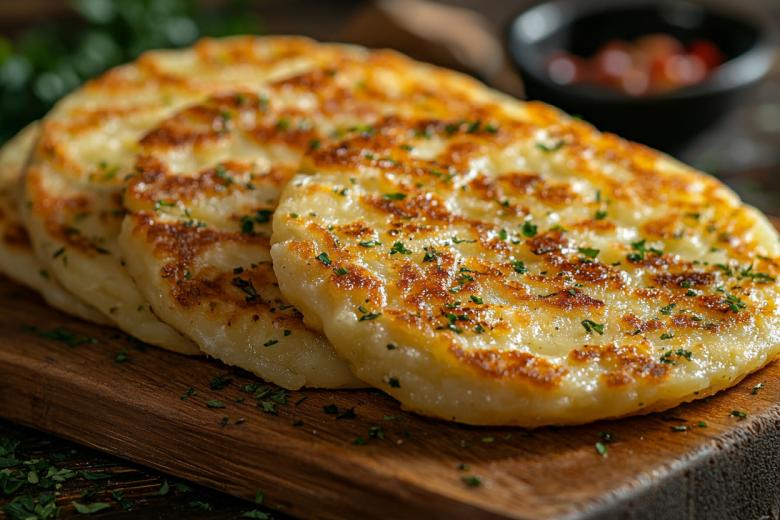
There is something incredibly comforting about warm homemade bread, especially when it comes straight from a skillet with golden edges, a tender center, and the delicious aroma of fresh herbs.
But what if you could make that comforting homemade bread without yeast, without waiting for dough to rise, and without turning on your oven?
That is exactly what makes this Soft Potato Flatbread with Fresh Herbs and Vegan Cheese such a wonderful recipe.
Made with simple everyday ingredients, these flatbreads combine fluffy mashed potatoes, all-purpose flour, fresh parsley, savory seasonings, and grated vegan cheese to create a soft, flavorful dough that cooks beautifully in a skillet.
The outside develops lightly crisp, golden-brown spots, while the inside stays tender and satisfying.
They are delicious served warm with soup, hummus, fresh vegetables, or your favorite dipping sauce.
Whether you are looking for an easy homemade bread recipe, a creative way to use leftover potatoes, or a simple vegan-friendly meal, these potato flatbreads are worth trying.
The best part? You do not need any special baking equipment.
All you need is a mixing bowl, a rolling pin, and a skillet.
Why You’ll Love This Potato Flatbread Recipe
There are plenty of reasons to make these homemade potato flatbreads part of your regular cooking routine.
1. No Yeast Required
Traditional bread recipes often require yeast and a lengthy rising period.
This recipe skips both.
The mashed potatoes help create a soft dough, while the flour provides enough structure to roll and cook the flatbreads.
You can prepare the dough and begin cooking without waiting for fermentation.
2. No Oven Needed
Everything cooks directly in a skillet.
This makes the recipe convenient when you do not want to heat your kitchen or use an oven.
It is also a wonderful option for anyone who enjoys quick stovetop bread recipes.
3. Simple, Budget-Friendly Ingredients
Potatoes and flour are the main ingredients, making this a relatively inexpensive homemade bread.
Fresh parsley, seasonings, and vegan cheese add flavor without requiring complicated preparation.
4. A Great Way to Use Leftover Potatoes
Have leftover plain mashed potatoes in your refrigerator?
You may be able to turn them into delicious homemade flatbread.
Simply adjust the flour gradually until you achieve a soft, manageable dough.
5. Versatile Enough for Any Meal
These flatbreads work beautifully for breakfast, lunch, dinner, or a satisfying afternoon snack.
Enjoy them plain, with dips, or alongside your favorite savory dishes.
Recipe Overview
Recipe Name: Soft Potato Flatbread with Fresh Herbs and Vegan Cheese
Cuisine: Homemade comfort food
Course: Bread, Side Dish, Snack
Preparation Time: 15 minutes
Potato Boiling Time: 15–20 minutes
Cooking Time: 24–40 minutes for four flatbreads, depending on skillet size
Estimated Total Time: 55–75 minutes
Servings: 4 flatbreads
Cooking Method: Stovetop skillet
Diet: Vegan, when made with plant-based cheese and butter
Difficulty: Easy
Yeast Required: No
Oven Required: No
Timing may vary depending on potato size, dough moisture, and whether you cook more than one flatbread at a time.
Ingredients for Soft Potato Flatbread
You only need a handful of simple ingredients to create this comforting homemade bread.
Main Ingredients
- 4 medium potatoes, peeled (approximately 600–700 g before peeling)
- 2 cups (250 g) all-purpose flour, plus a little extra for dusting
- ½ cup (50 g) grated vegan cheese
- 3 tablespoons fresh parsley, finely chopped
- 1 teaspoon salt, or to taste
- ½ teaspoon freshly ground black pepper
- ½ teaspoon garlic powder
- ½ teaspoon red pepper flakes (optional)
- Vegan butter, for cooking and brushing
Optional Garnishes
- Additional chopped fresh parsley
- Melted vegan butter
- Garlic powder
- Freshly cracked black pepper
Important: Potatoes contain different amounts of moisture depending on their variety and how they are cooked. You may need to adjust the flour slightly to achieve the right dough consistency.
Understanding the Ingredients
Potatoes: The Secret to a Tender Texture
Potatoes are the heart of this recipe.
Once boiled and mashed, they provide moisture and tenderness that make the flatbread different from ordinary flour-based bread.
Starchy potatoes, such as Russets, are an excellent choice because they usually produce a fluffy mash when properly drained.
Yukon Gold potatoes also work well and provide a naturally buttery flavor.
Avoid using excessively watery mashed potatoes, as they can make the dough difficult to handle.
All-Purpose Flour: Creating Structure
Flour helps bring the mashed potatoes together into a workable dough.
It also allows the flatbreads to hold their shape while rolling and cooking.
Start with the measured amount and add additional flour only when necessary.
Too much flour can produce a heavy or dry flatbread.
Vegan Cheese: Adding Creamy, Savory Flavor
Grated vegan cheese adds a savory, cheesy element to every bite.
Choose a dairy-free cheese that melts well and has a flavor you enjoy.
Vegan mozzarella-style shreds work especially well for a mild, creamy result.
Vegan cheddar-style cheese can create a stronger, slightly sharper flavor.
Fresh Parsley: Color and Freshness
Fresh parsley gives the flatbread beautiful green flecks and a pleasant herbal flavor.
Chop it finely to distribute it evenly throughout the dough.
You can also experiment with fresh chives or dill.
Garlic Powder and Black Pepper
These seasonings add warmth and depth without overpowering the potatoes.
Garlic powder blends easily throughout the dough, while black pepper provides a gentle savory finish.
Vegan Butter: The Golden Finish
A small amount of vegan butter helps the flatbreads develop a beautiful golden exterior.
It also adds flavor and a slightly crisp finish.
A neutral cooking oil can be substituted if preferred.
How to Make Soft Potato Flatbread Step by Step
Follow these instructions carefully for tender, flavorful flatbreads.
Step 1: Prepare and Boil the Potatoes
Start by peeling the potatoes.
Cut them into evenly sized chunks so they cook at approximately the same rate.
Place them in a large saucepan and cover them with cold water.
Add a little salt to the water.
Bring to a boil, then reduce the heat slightly to maintain a steady simmer.
Cook for approximately 15–20 minutes.
The potatoes are ready when a fork slides easily through the center without resistance.
Helpful Tip: Avoid cutting the potatoes into extremely small pieces, as they may absorb excess water while boiling.
Step 2: Drain and Mash Until Smooth
Once the potatoes are completely tender, drain them thoroughly.
Return them briefly to the warm, empty saucepan over low heat for 30–60 seconds, stirring gently to help evaporate excess surface moisture.
Transfer the potatoes to a large mixing bowl.
Mash until smooth using a potato masher.
Try to remove any large lumps, as they can make the dough difficult to roll evenly.
Allow the mashed potatoes to cool until warm rather than steaming hot.
Why this matters: Excess moisture can make potato dough sticky and encourage you to add more flour than necessary.
Step 3: Add the Fresh Herbs and Seasonings
To the warm mashed potatoes, add the finely chopped parsley, salt, black pepper, garlic powder, and optional red pepper flakes.
Stir gently until the seasonings are evenly distributed.
The mixture should smell pleasantly savory and herbal.
Step 4: Mix in the Vegan Cheese and Flour
Add the grated vegan cheese to the seasoned potatoes.
Stir to combine.
Gradually incorporate the all-purpose flour, mixing gently after each addition.
Continue until the mixture begins to form a soft dough.
Because potato moisture can vary, the exact amount of flour needed may be slightly different each time.
The dough should hold together and feel soft.
It may be slightly tacky, but it should not be so wet that it cannot be handled.
Important: Do not keep adding large amounts of flour simply to make the dough completely dry. A slightly soft dough generally produces a more tender finished flatbread.
Step 5: Knead the Dough Gently
Lightly dust a clean countertop with flour.
Transfer the potato dough onto the surface.
Using your hands, gently bring the dough together.
Knead only a few times, just until the ingredients are evenly combined and the dough holds its shape.
Avoid prolonged kneading.
Overworking the mixture can make the flatbreads tougher.
Step 6: Divide Into Four Portions
Using a dough scraper or knife, divide the dough into four approximately equal pieces.
Roll each portion gently into a ball.
Keep the remaining portions covered with a clean kitchen towel while you shape each flatbread.
This helps prevent the dough’s surface from drying out.
Step 7: Roll Into Round Flatbreads
Place one dough ball on a lightly floured surface.
Dust the rolling pin with a small amount of flour.
Gently roll the dough into a round flatbread approximately ¼ inch (6 mm) thick.
Rotate the dough occasionally to maintain an even shape.
If the dough sticks, lift it carefully and add a very small amount of flour underneath.
Repeat with the remaining portions.
Helpful Tip: Try to maintain consistent thickness. Uneven flatbreads may brown on the outside before the thicker sections cook through.
Step 8: Preheat the Skillet
Place a large nonstick or well-seasoned skillet over medium heat.
Allow it to warm for a minute or two.
Add a small amount of vegan butter and let it melt.
Spread it across the skillet surface.
The butter should gently sizzle without immediately turning dark.
If it begins smoking, reduce the heat.
Step 9: Cook the First Side
Carefully lift one flatbread and transfer it into the skillet.
Cook for approximately 3–5 minutes on the first side.
Avoid moving it constantly.
Allow enough time for the underside to develop attractive golden-brown spots.
You may notice the surface becoming slightly firmer as the flatbread cooks.
Step 10: Flip and Finish Cooking
Using a wide spatula, carefully turn the flatbread over.
Cook the second side for another 3–5 minutes.
The exact timing depends on the skillet, heat level, and dough thickness.
Both sides should develop golden spots, and the center should be fully cooked rather than wet or gummy.
If the exterior browns too quickly, reduce the heat slightly and continue cooking.
Repeat the process with the remaining flatbreads, adding a small amount of vegan butter when needed.
Step 11: Brush With Vegan Butter
Transfer the freshly cooked flatbreads to a serving plate.
While they are still warm, lightly brush the tops with melted vegan butter.
Sprinkle with additional finely chopped parsley if desired.
For extra flavor, combine the melted butter with a small pinch of garlic powder before brushing.
Step 12: Serve Warm
These potato flatbreads are especially enjoyable when served fresh from the skillet.
Their lightly golden exterior contrasts beautifully with the tender potato-based interior.
Serve them alongside your favorite soup, spread, salad, or dipping sauce.
What Should the Perfect Potato Flatbread Look Like?
A properly prepared potato flatbread should have several appealing characteristics.
Exterior: Light golden-brown patches with a delicate, slightly crisp surface.
Interior: Soft, tender, and fully cooked, without raw flour or wet dough.
Flavor: Mildly savory potatoes with fresh herbs, garlic, black pepper, and vegan cheese.
Texture: Flexible enough to tear or fold gently when warm, without being excessively dense.
Because this is a yeast-free potato dough, the flatbreads will not rise or develop large bread-like air pockets.
Instead, they have a comforting, tender texture that makes them delicious with both simple and flavorful accompaniments.
Expert Tips for Making Better Potato Flatbread
1. Remove Excess Moisture From the Potatoes
One of the most important parts of the recipe is draining the boiled potatoes well.
Excess water makes the dough sticky and can change the amount of flour required.
Let the potatoes release steam before combining them with the other ingredients.
2. Mash the Potatoes Thoroughly
Smooth mashed potatoes produce a more uniform dough.
Large potato chunks can create weak spots that may tear when the flatbreads are rolled.
3. Add Flour Gradually
Avoid adding excessive flour at once.
The dough should remain soft rather than stiff.
Different potato varieties may require different flour adjustments.
4. Avoid Overkneading
Unlike traditional yeast bread, this dough does not need extended kneading.
Simply combine it until cohesive.
5. Keep the Flatbreads Evenly Thick
Aim for approximately ¼ inch thickness.
Thicker flatbreads may need more cooking time, while thinner ones can become crispier.
6. Use Medium Heat
Cooking over excessively high heat may burn the outside before the inside is fully cooked.
Medium heat helps create more even browning.
7. Choose a Cheese That Melts Well
A good melting vegan cheese improves flavor and provides pleasantly creamy pockets throughout the bread.
Different brands may melt differently, so choose one you already enjoy.
8. Serve While Warm
Potato flatbread tastes especially good shortly after cooking.
If making it ahead, gently reheat before serving.
Delicious Potato Flatbread Variations
One of the best things about this recipe is how easily you can customize it.
Garlic and Herb Potato Flatbread
Increase the garlic powder slightly and add fresh chives alongside the parsley.
Finish with melted vegan garlic butter for an especially aromatic result.
Spicy Potato Flatbread
Add extra red pepper flakes or a small pinch of smoked paprika.
Serve with a creamy dairy-free dipping sauce to balance the heat.
Vegan Cheddar Potato Flatbread
Replace the mozzarella-style vegan cheese with grated vegan cheddar.
The result has a more pronounced savory flavor.
Mediterranean-Style Potato Flatbread
Mix chopped parsley, dill, and a pinch of dried oregano into the dough.
Serve alongside hummus, cucumber salad, and roasted tomatoes.
Green Onion Potato Flatbread
Replace some of the parsley with finely chopped green onions.
The green onions create a gentle onion flavor that pairs beautifully with potatoes.
Gluten-Free Variation
A suitable gluten-free all-purpose flour blend may work, but the texture and hydration can differ significantly. Use a blend designed for baking and adjust gradually.
This variation has not been tested with every gluten-free flour, so results may vary.
What to Serve With Potato Flatbread
These homemade flatbreads pair well with many different dishes.
Creamy Tomato Soup
Serve warm potato flatbread alongside a bowl of creamy tomato soup.
The flatbread is perfect for dipping.
Hummus
Spread your favorite hummus over a warm flatbread.
Add cucumber slices, parsley, and a drizzle of olive oil for a simple lunch.
Fresh Mediterranean Salad
Pair the flatbread with tomatoes, cucumbers, olives, lemon juice, and fresh herbs.
Garlic Butter
Brush the flatbread with vegan garlic butter for an extra-rich savory snack.
Avocado and Tomatoes
Top with mashed avocado, sliced cherry tomatoes, and black pepper for a satisfying breakfast.
Dairy-Free Cheese Dip
Serve the flatbread with a warm vegan cheese sauce for an indulgent appetizer.
How to Store Leftover Potato Flatbread
If you have leftover flatbreads, allow them to cool before storing.
Refrigerator Storage
Place the cooled flatbreads in an airtight container or resealable food bag.
Separate individual flatbreads with parchment paper to prevent sticking.
Refrigerate promptly and use within 3–4 days.
Freezer Storage
For longer storage, allow the flatbreads to cool completely.
Place parchment paper between each piece.
Transfer them to a freezer-safe container or bag.
Freeze for approximately 2 months for best quality.
How to Reheat
For the best texture, reheat the flatbreads in a skillet over medium-low heat.
Warm each side until heated thoroughly.
You can add a very small amount of vegan butter if desired.
A microwave is also an option, although the exterior may become softer.
Can You Use Leftover Mashed Potatoes?
Yes!
This recipe can be a convenient way to use plain leftover mashed potatoes.
However, the results depend on how the mashed potatoes were originally prepared.
Mashed potatoes containing large amounts of milk, cream, butter, or other added liquids may require additional flour.
For the easiest results, use mashed potatoes that are relatively thick and not excessively wet.
If the mashed potatoes have already been seasoned, reduce the added salt as needed.
Chilled leftovers should also be handled and stored safely.
Frequently Asked Questions
Can I Make Potato Flatbread Without Yeast?
Absolutely.
This recipe does not require yeast because it is designed as a skillet flatbread rather than a traditional risen bread.
The mashed potatoes help create a tender texture without fermentation.
Can I Use Sweet Potatoes Instead?
Sweet potatoes may work, but their moisture content and texture differ from ordinary potatoes.
You may need to adjust the flour, and the finished flatbread will have a sweeter flavor.
Can I Make This Recipe Without Vegan Cheese?
Yes.
You can omit the cheese and prepare a simpler herb-and-potato flatbread.
The flavor will be less cheesy, but it can still be delicious with garlic butter or hummus.
Why Is My Potato Dough Too Sticky?
The most common reason is excess moisture in the potatoes.
Allow the mashed potatoes to cool and release steam.
Then add flour gradually until the dough becomes manageable.
Avoid adding too much flour at once.
Why Is My Flatbread Tough?
Too much flour or excessive kneading can produce a denser texture.
Use only the flour necessary to form a workable dough and knead gently.
Why Is My Flatbread Brown Outside but Uncooked Inside?
The skillet may be too hot, the dough may be too thick, or the potato mixture may contain too much moisture.
Reduce the heat and cook the flatbread long
You May Also Like
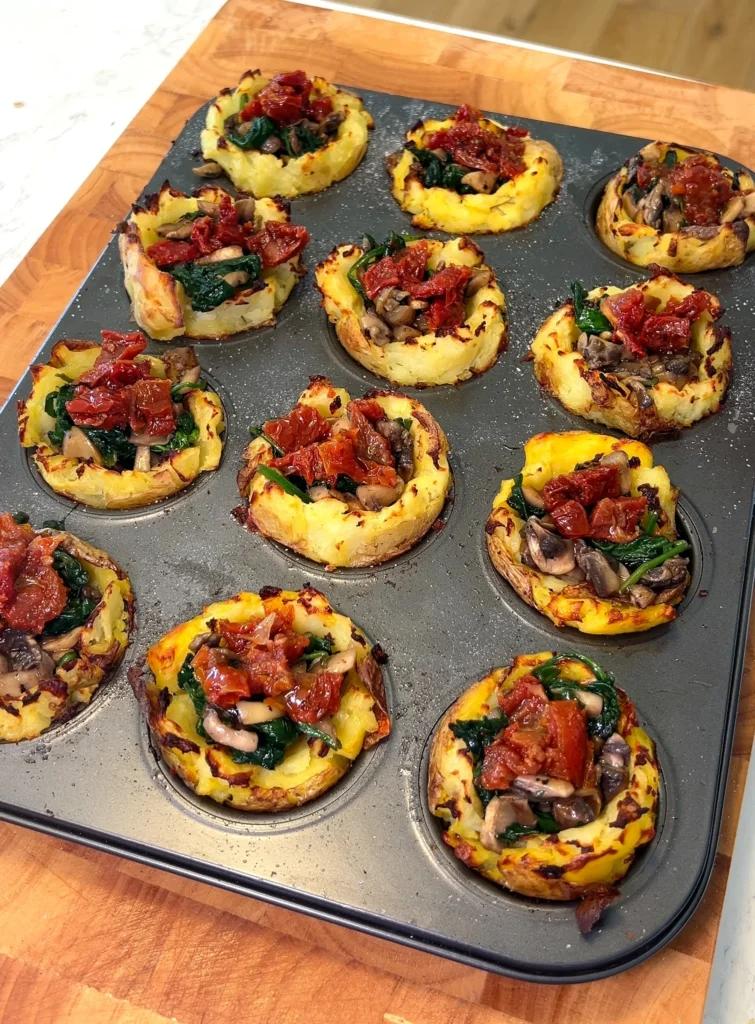 Crispy Loaded Smashed Potato Cups with Mushrooms, Spinach & Vegan Parmesan
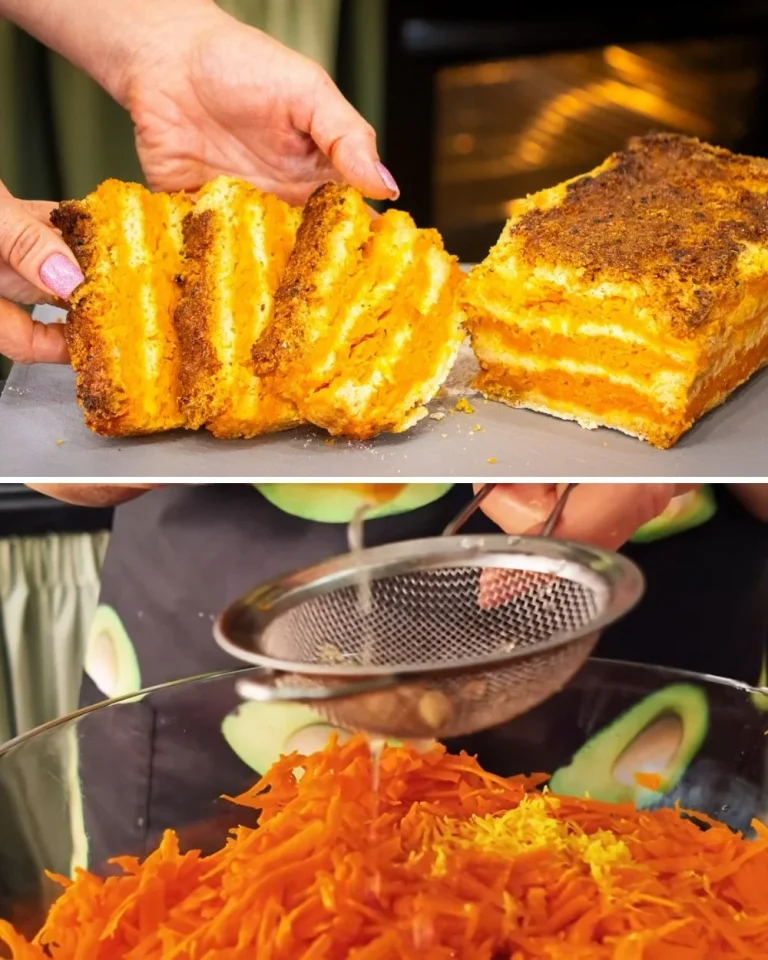 Just grate the PUMPKIN and add SEMOLINA❗ No EGGS❗
 Zachte appel-perzik yoghurttaart met kwark en amandelen
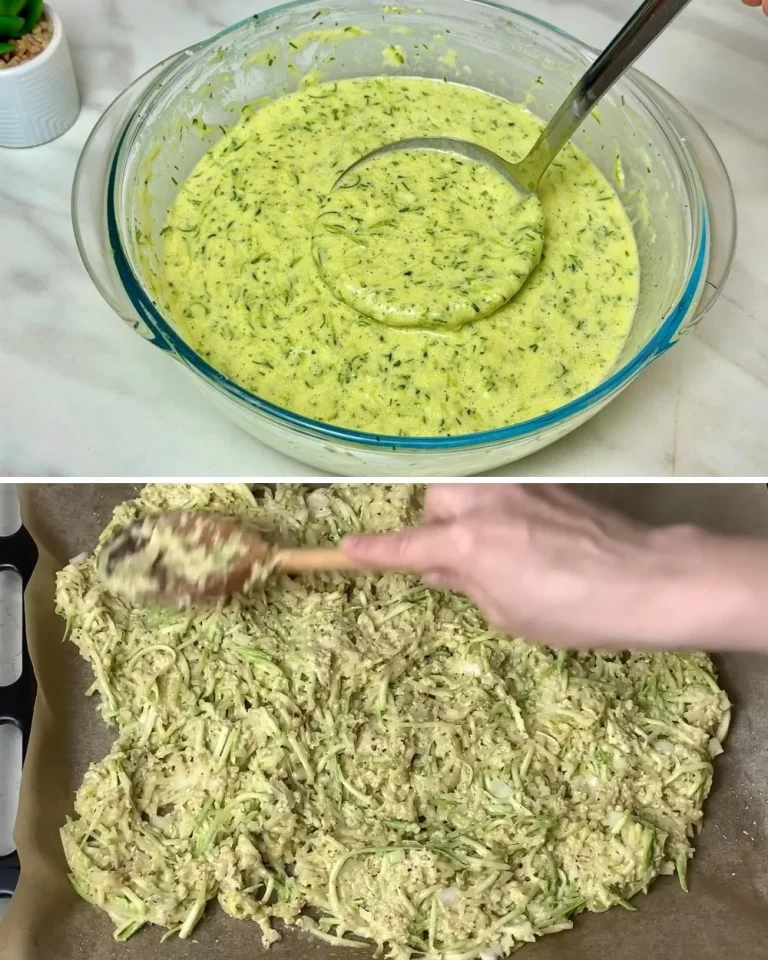 Courgette Recepten: eenvoudige en lekkere ideeën
 How to Make Crispy French Fries Every Time
 Soft Carrot Cake that melts in your mouth! 🥕 Cake in 5 minutes